
Λάβετε πρόταση
EL-GR▼
Το προϊόν αυτό είναι συμβατό ή κατάλληλο για εξοπλισμό και εφαρμογές των παρακάτω εμπορικών σημάτων, μόνο ως βοήθεια επιλογής. Τα εμπορικά σήματα ανήκουν στους αντίστοιχους κατόχους τους και δεν υποδηλώνουν συνεργασία ή έγκριση.
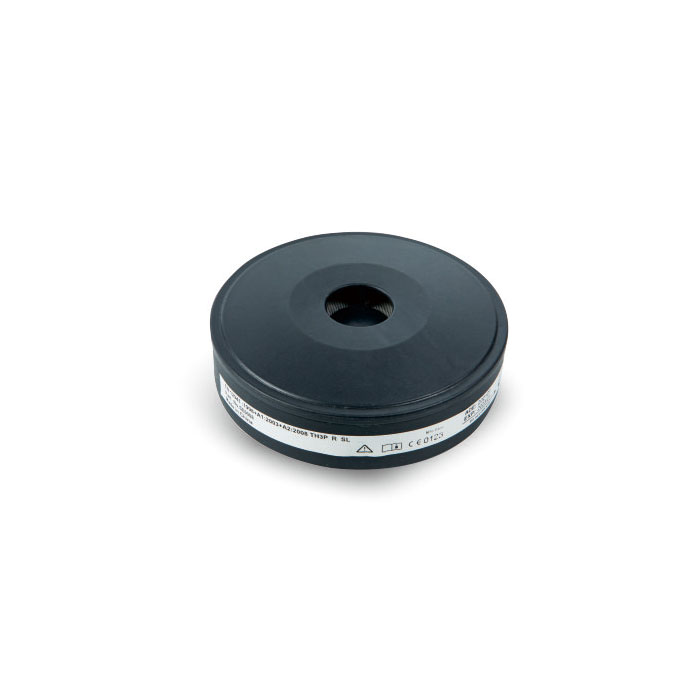
The Jyntrel gas filter box is a high-efficiency filter cartridge designed for ventilator and respirator breathing circuits. It combines precision PM0.3 particulate removal (≥ 99.99%) with adsorption of VOCs and other harmful gases, using PTFE membrane, glass fibre and composite activated carbon media. It is intended for clinical ventilators, anaesthesia machines, industrial respirators and high-specification fresh-air or oxygen concentrator systems. This page explains how the filter behaves in the air path and what data we need to select or customise the right version for your device.
In a ventilator circuit, the filter sits on the inspiratory or expiratory limb and sees the full breathing flow, which can range from low continuous flows to peak flows during assisted breaths. It must hold particles and gases without adding excessive resistance, and it must seal reliably at the housing interface. The Jyntrel gas filter box is built around a moulded ABS or PC housing with a medical silicone ultrasonic-welded seal, so the filter can maintain a closed air path under the pressure and humidity typical of clinical breathing systems.
For industrial respirator and positive-pressure mask applications, the filter sees higher face velocities and variable contaminant loads. The composite activated carbon layer is positioned to adsorb VOCs while the PTFE membrane handles fine particulate matter. If your system operates at elevated velocity or in a humid environment, tell us the flow and conditions so we can recommend the media configuration and housing design that keep pressure drop within your device limits.
The filter is rated for PM0.3 removal efficiency of ≥ 99.99%, which places it in the high-efficiency range for fine particles. It is available in HEPA grades from H13/H14 up to ULPA U15 and above, and washable variants are also offered where the application allows. The dual-action design means one cartridge addresses both particulate and gaseous contaminants: the PTFE and glass-fibre layers capture aerosols and particles, while the activated carbon adsorbs VOCs and odours.
Because efficiency and resistance are linked to airflow, we test filter media and finished cartridges against your operating data rather than quoting a single number for all conditions. The CNAS-accredited laboratory at Jyntrel can verify filtration efficiency, resistance and related performance so that the specification you receive matches the way the filter will actually be used.
Jyntrel manufactures the gas filter box to customer drawings, including mould development for the housing. We can supply medical-grade ABS or PC injection-moulded housings and medical silicone ultrasonic-welded seals to suit your device interface. To move from a general enquiry to a firm proposal, we ask for the following:
With these inputs we can propose a media stack, housing design and test plan. Custom samples typically follow drawing approval, and we will confirm sample and production timelines once the specification is fixed.
| Item | Detail |
|---|---|
| Product name | High-efficiency HEPA filter / ventilator filter cartridge (gas filter box) |
| Core media | High-precision PTFE microporous membrane / glass fibre / composite activated carbon adsorption media |
| Filtration performance | Dual action: PM0.3 particle removal ≥ 99.99% plus adsorption and neutralisation of VOCs and harmful gases |
| Efficiency grades | HEPA H13/H14 through ULPA U15 and above; washable variants available |
| Main applications | Clinical ventilators, anaesthesia machine circuits, industrial respirators and positive-pressure breathing apparatus, high-specification fresh-air purification and oxygen concentrators |
| Housing and sealing | Moulded to customer drawings; non-toxic medical-grade ABS/PC housing; medical silicone ultrasonic-welded seal |
| Verification and certification | Filtration efficiency verified by the company's CNAS-accredited testing centre; medical products GMP certification, IATF 16949, ISO 14001 and ISO 45001 |
The gas filter box is used in clinical ventilator and anaesthesia breathing circuits where both particles and trace gases must be controlled. It is also specified for industrial respirators and positive-pressure breathing apparatus, and for high-specification fresh-air purification and oxygen concentrator equipment. In each case the filter is selected against the flow, contaminant profile and efficiency grade required by the device, rather than as a universal replacement part.
Jyntrel operates multiple automated production lines with a monthly capacity of millions of pieces, which supports stable supply for programmes with ongoing demand. We have more than 20 years of experience in filter product development and manufacturing, and have been exporting to Europe, the United States, Japan and South Korea for over 20 years. The production base covers 50,000 m², including six cleanrooms totalling 20,000 m², and the plant is located in Zhongshan, Guangdong, China.
Quality control follows IQC, IPQC and OQC stages, and our in-house CNAS-accredited laboratory can issue filtration efficiency, dust-holding capacity and resistance reports. The company holds IATF 16949 (obtained in 2024) and ISO 9001, ISO 14001 and ISO 45001 certifications, and products can be supplied with REACH and RoHS compliance documentation. For custom housings and seals, the same quality gates apply from incoming material through to final inspection.
To receive a solution-oriented proposal for the Jyntrel gas filter box, please send us your device or vehicle model, required size or drawing, airflow or water flow, operating conditions and estimated quantity. Our team will review the air path and recommend the appropriate media and housing configuration. Contact us to start the specification review.
The filter is designed for ventilator and respirator circuits where flow varies, and the PTFE membrane and carbon layer are selected to balance efficiency and resistance. At high velocity, pressure drop increases, so we recommend sharing your peak flow so we can confirm the media grade and housing design. The CNAS-accredited lab can verify performance against your operating data.
We need the continuous and peak airflow rates the filter will see, together with the intended position in the air path. If your system involves liquid flow, please include that as well. With these figures we can propose the efficiency grade and media configuration that keep resistance within your device limits.
Yes. Jyntrel manufactures the gas filter box to customer drawings, including mould development for the ABS or PC housing and medical silicone ultrasonic-welded seals. We can adjust dimensions, connection geometry, media grade and branding. Please provide a drawing or sample so we can confirm feasibility.
The gas filter box achieves PM0.3 removal efficiency of ≥ 99.99% and is available in HEPA H13/H14 through ULPA U15 and above grades. It also adsorbs VOCs and harmful gases through the composite activated carbon layer. Efficiency is verified at our CNAS-accredited testing centre.
After we receive your operating conditions and drawing, we can provide a quotation and arrange samples. Standard samples are typically shipped within 3–5 working days; custom samples involving mould development usually take 15–30 days. Please contact us with your requirements to begin.
For standard specifications, the MOQ is usually 1,000 pieces. Customised products are evaluated individually based on mould and media configuration. Share your estimated annual quantity and we will confirm the applicable MOQ.
Batch lead time is typically 25–35 days after order confirmation. Urgent orders can be prioritised in the cleanroom production schedule. We hold raw material inventory at our Zhongshan base to support repeat orders.
Replacement depends on operating conditions and device type. For clinical ventilator circuits, single-use filters are replaced after each patient, while reusable types may be changed every 24–72 hours; home ventilator applications often use 1–3 months. We can provide life-test data and replacement guidance for your specific configuration.