
Nhận giải pháp
VI-VN▼
Sản phẩm này tương thích hoặc phù hợp với thiết bị và ứng dụng của các thương hiệu sau, chỉ dùng để tham khảo khi lựa chọn. Nhãn hiệu thuộc về chủ sở hữu tương ứng; không ngụ ý hợp tác hay chứng thực.
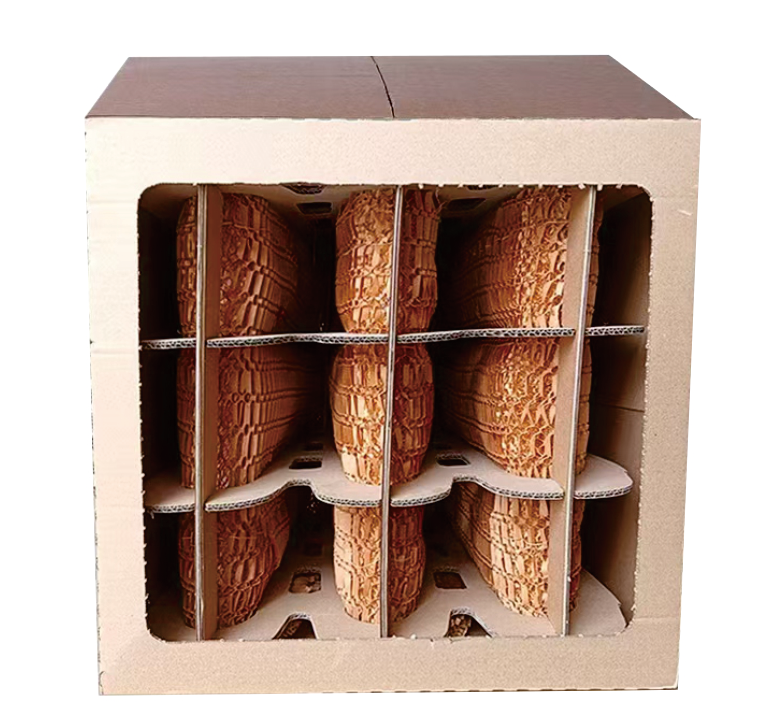
The Jyntrel paint mist filter is a dry-type labyrinth honeycomb arrestor designed to capture overspray paint particles from spray booth exhaust air. It filters sticky paint mist, including water-based and clear-coat formulations, with a stated interception rate of 95%+ and a paint holding capacity of 12–18 kg per box. It is intended for automotive refinish booths, furniture painting lines, machinery coating shops, and other industrial paint applications where a stable airflow path and zero wastewater are priorities.
In a spray booth, the exhaust air carries atomised paint particles that can quickly blind conventional fibreglass or non-woven media. The Jyntrel filter addresses this by forcing the airstream through a labyrinth of narrow paper channels. As the air changes direction, paint particles impact the channel walls and adhere to the surface, while the air continues through. The result is a progressive narrowing of the open area, which actually increases capture efficiency as the filter loads.
Because the filter is dry, there is no water curtain, no sludge, and no wastewater discharge. The airflow resistance rises gradually rather than spiking, so exhaust volume remains stable over a longer service interval. This behaviour suits systems where consistent extraction is critical for operator safety and finish quality. The filter is typically installed as the first-stage pre-filter ahead of a medium-efficiency pad and an activated carbon unit for combined paint mist and odour control.
The filter media is made from flame-retardant kraft paper, which helps protect downstream equipment from spark carry-over. It performs well in high-velocity exhaust ducts and in booths using high-viscosity paints where conventional media tend to surface-load and block. For water-based paints, the dry paper construction avoids the fibre shedding and moisture-related issues associated with wet scrubbers.
The labyrinth honeycomb structure delivers a high paint holding capacity of 12–18 kg per box, which translates into long replacement intervals and fewer maintenance stoppages. In comparison with traditional paint stop media, the pressure drop increases slowly, so the exhaust fan does not have to work harder as the filter loads. This stability is a direct benefit for booth balance and energy use.
Capture efficiency is stated as 95%+ and tends to improve as the channels narrow with accumulated paint. The filter is a dry solution: no water is used, no wastewater is generated, and the spent filter can be packed and disposed of as solid waste according to local regulations. This simplifies environmental compliance and reduces the total cost of ownership compared with wet scrubbers that require water treatment and hazardous waste handling.
Each box is constructed from flame-retardant kraft paper, a material chosen for its rigidity and fire resistance. The filter is compatible with a wide range of paint types, including water-based paints, clear coats, and high-solids formulations. It is not intended for applications where the exhaust stream contains solvent vapours that require immediate carbon adsorption; rather, it serves as a pre-filter to protect the carbon stage.
To recommend the right configuration, Jyntrel needs specific information about your spray booth and operating conditions. Please provide the device or booth model, the available filter frame dimensions or a drawing, and the exhaust airflow rate (m³/h). Also share the paint type (water-based, solvent-based, clear coat, etc.), the expected paint consumption per shift, and the ambient temperature and humidity if relevant. Quantity and target replacement interval help us optimise the module size and quantity per booth.
Jyntrel supports OEM and ODM projects. With a 50,000 m² plant and a CNAS-accredited laboratory, we can customise module dimensions, paper grade, and packaging to fit your exhaust duct structure. Our team has developed over 1,000 filtration solutions and can work from drawings or physical samples. For standard sizes, minimum order quantities are typically 50–100 pieces; custom configurations usually start at 100–200 pieces, with flexibility for sample orders.
| Item | Detail |
|---|---|
| Product type | Dry-type labyrinth honeycomb paint mist filter |
| Media | Flame-retardant kraft paper |
| Paint mist interception rate | 95%+ |
| Paint holding capacity | 12–18 kg per box |
| Airflow resistance behaviour | Gradual rise; exhaust volume remains stable |
| Wastewater generation | Zero (dry process) |
| Compatible paint types | Water-based, clear coat, high-viscosity paints |
| Typical system position | First-stage pre-filter before medium-efficiency pad and activated carbon |
| Customisation | OEM/ODM module dimensions, paper grade, packaging |
| Quality certifications | Manufactured under ISO 9001, ISO 14001, ISO 45001, IATF 16949 |
This filter is used in automotive body shops and refinish booths, furniture and wood coating lines, machinery and equipment painting, and general industrial spray rooms. It is particularly effective in booths applying water-based paints, clear coats, and other high-viscosity coatings where dry filtration is preferred. It can also serve as a pre-filter in systems targeting VOC abatement, protecting the carbon stage from paint fouling.
Because the filter is modular, it can be retrofitted into existing exhaust plenums or used in new booth designs. The dry operation eliminates the need for water treatment, making it suitable for sites with limited wastewater infrastructure or strict environmental permits. It is not recommended for applications with heavy fibrous dust or where the exhaust stream contains corrosive chemicals that could degrade the paper media.
Jyntrel operates multiple automated production lines with a monthly capacity of millions of pieces, ensuring stable supply for large programmes. Our 50,000 m² facility in Zhongshan, Guangdong, includes six clean rooms totalling 20,000 m². We have more than 20 years of export experience to Europe, the United States, Japan, and South Korea, and we understand the documentation and consistency required for international customers.
Quality control follows IQC, IPQC, and OQC procedures. Our in-house laboratory is CNAS-accredited and can issue test reports for filtration efficiency, dust holding capacity, and resistance. The company holds ISO 9001, ISO 14001, and ISO 45001 certifications, and achieved IATF 16949 in 2024. Products comply with REACH and RoHS regulations, and we can provide compliance documents on request. For customers who require sample testing, we can supply standard samples for trial on your paint line.
To receive a tailored recommendation, please send us your device or vehicle model, filter dimensions or a drawing, airflow rate, paint type, operating temperature and humidity, and the quantity you need. Our engineers will review your data and propose a configuration that balances efficiency, service life, and cost. Visit our contact page to start the conversation.
Yes. The labyrinth honeycomb structure is designed for high-velocity exhaust ducts. As air speed increases, particles are driven more forcefully into the channel walls, which can improve capture efficiency. The pressure drop still rises gradually, so the exhaust fan performance remains stable.
We need the exhaust airflow rate in m³/h, the available filter frame dimensions or a drawing, and the expected paint type (water-based, solvent-based, clear coat). Please also indicate the number of filter modules per booth and the target replacement interval. With these details, we can size the filter and estimate the service life.
Yes. The dry paper construction is compatible with water-based paints, clear coats, and high-viscosity formulations. Unlike wet scrubbers, there is no water curtain to become contaminated, and the filter does not rely on water to capture particles. Efficiency remains stable as the filter loads.
Each box holds 12–18 kg of paint before saturation. In practice, replacement intervals depend on paint consumption and booth usage, but the high capacity typically allows longer intervals than conventional media. We recommend changing the filter when the pressure drop reaches 2–2.5 times the initial resistance or when visual inspection shows heavy loading.
Yes. We can provide standard samples for trial on your actual spray booth. Our CNAS-accredited laboratory can also supply test data for efficiency and resistance to support your evaluation. Sample orders are flexible, and we work with you to confirm the right configuration before mass production.
For standard sizes, the MOQ is typically 50–100 pieces. Custom configurations usually start at 100–200 pieces, depending on complexity. Standard products ship in 7–15 days; custom orders generally take 25–35 days. Our automated lines and material stock allow us to support urgent requirements and long-term supply agreements.
Monitor the pressure drop across the filter. When it reaches 2–2.5 times the initial resistance, or when you observe paint breakthrough or surface saturation, it is time to replace. Under normal conditions, service life is typically 1–3 months, depending on paint volume and booth operation.
Yes. We offer OEM/ODM customisation of module dimensions, paper grade, and packaging. Our engineers can work from your drawings or physical samples to design a filter that fits your exhaust plenum. With over 1,000 filtration solutions developed, we can adapt the labyrinth structure to your specific airflow and space constraints.